
Preventive Eye Care Can Diagnose and Treat Glaucoma Early
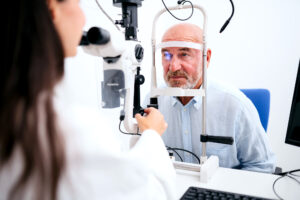
You cannot prevent glaucoma, but you can reduce your risk of vision loss and blindness by scheduling a comprehensive eye exam during Glaucoma Awareness Month.
What Is Glaucoma?
The new year is a perfect time to renew your commitment to your eye health.
January is Glaucoma Awareness Month. Glaucoma is a group of eye diseases that damages the optic nerve and causes vision loss. It is the second leading cause of blindness and affects more than three million Americans.
Many types of glaucoma exist, but the most common type is primary open-angle glaucoma, or POAG. Other less common types are angle-closure glaucoma and normal-tension glaucoma.
There is no cure for glaucoma, and the disease rarely shows symptoms in the early stages. The only way to diagnose glaucoma is by getting a comprehensive eye exam with dilation.
How Does Glaucoma Develop?
Experts aren’t completely sure what causes glaucoma, but many people with glaucoma exhibit higher than normal eye pressure. Most glaucoma instances involve obstructed drainage pathways in the eye, leading to an increase in intraocular pressure. Elevated eye pressure can damage the optic nerve’s delicate fibers and create blind spots in the visual field.
Glaucoma’s nickname is “the sneak thief of sight” because it usually develops without warning signs. Open-angle glaucoma doesn’t have apparent symptoms at first, but blind spots form in your peripheral vision as the disease progresses.
Angle-closure glaucoma commonly develops when the iris, which is the colored section of the eye, is positioned too close to the drainage angle. Many cases of angle-closure glaucoma develop slowly and don’t cause symptoms.
Sometimes, blockages in the drainage canal develop quickly and eye pressure spikes to dangerously elevated levels. An acute attack occurs when a complete blockage develops rapidly. It can cause severe symptoms:
- Intense eye pain
- Blurred vision
- Headaches
- Nausea or vomiting
- Seeing multi-colored rings or halos around lights
Acute attacks require immediate medical care or they can cause blindness.
Sometimes, people with normal eye pressure can develop glaucoma. Experts call this normal-tension glaucoma. Therefore, it isn’t just high eye pressure that causes the disease, but sensitivity to pressure changes can cause glaucoma.
Daily Choices Can Protect You from Degenerative Eye Disease
You can’t restore glaucoma-related vision loss, but you can take steps to protect your eye health every day.
Commit to Nutritious Eating
When you go to the grocery store, think about “eating the rainbow.” Brightly colored fruits and vegetables like red strawberries, orange butternut squash, yellow bell peppers, leafy greens, indigo blueberries and purple eggplant will provide essential vitamins and minerals to nourish healthy vision.
Try to lower your sugar intake and limit foods with trans-fat. High blood pressure can increase your risk for glaucoma, so using a salt substitute can be helpful if you have hypertension.
Talk to Your Doctor about Safe Exercises
Vigorous exercise can cause spikes in eye pressure, so talk to your doctor before you begin a fitness routine. One of the best types of moderate exercise is brisk walking. Daily walks enhance cardiovascular fitness and keep your joints limber.
Strength training is also important, but be careful of exercises in an inverted position because it can increase intraocular pressure. If you do yoga, you may want to avoid the downward facing dog position.
Wear UV Protection
All of us need a small amount of sunlight for healthy vitamin D production, but too much sun can damage healthy eyes. Exposure to ultraviolet radiation from sunlight or tanning beds increases oxidation and free radicals in eye tissue.
Wear sunscreen with a minimum of 30 SPF and sunglasses with 99 to 100 percent UVA and UVB protection.
Manage Chronic Conditions
Having chronic health conditions like hypertension, diabetes, heart disease and obesity can increase your risk for glaucoma. Visit your primary care doctor regularly to discuss any new symptoms, and take all medication as your doctor prescribes.
Visit Your Eye Doctor
You may think your eyes are healthy if you don’t have noticeable vision problems, but eye disease can develop without symptoms.
Annual comprehensive eye exams can detect glaucoma in the early stages when it is highly treatable. Dilated eye exams can also diagnose other eye conditions like cataracts, diabetic retinopathy and age-related macular degeneration.
Talk to your ophthalmologist about how often you should get a comprehensive eye exam, including a glaucoma screening. People with diabetes should visit the eye doctor once per year because they are twice as likely to develop glaucoma as those who don’t have diabetes.
Anyone with a family history of glaucoma should schedule an eye exam every two years, as well as anyone older than 60 or Black Americans over age 40.
Begin the New Year by prioritizing your eye health. Celebrate Glaucoma Awareness Month by scheduling an eye exam for the whole family so they can enjoy clear vision for years to come.